
Case Study
Powering a groundbreaking interregional tournament
How OneQode's gaming infrastructure fuelled a world-first for Asia-Pacific esports
Asia vs Oceania was unplayable.
Then OneQode launched APAC Central.
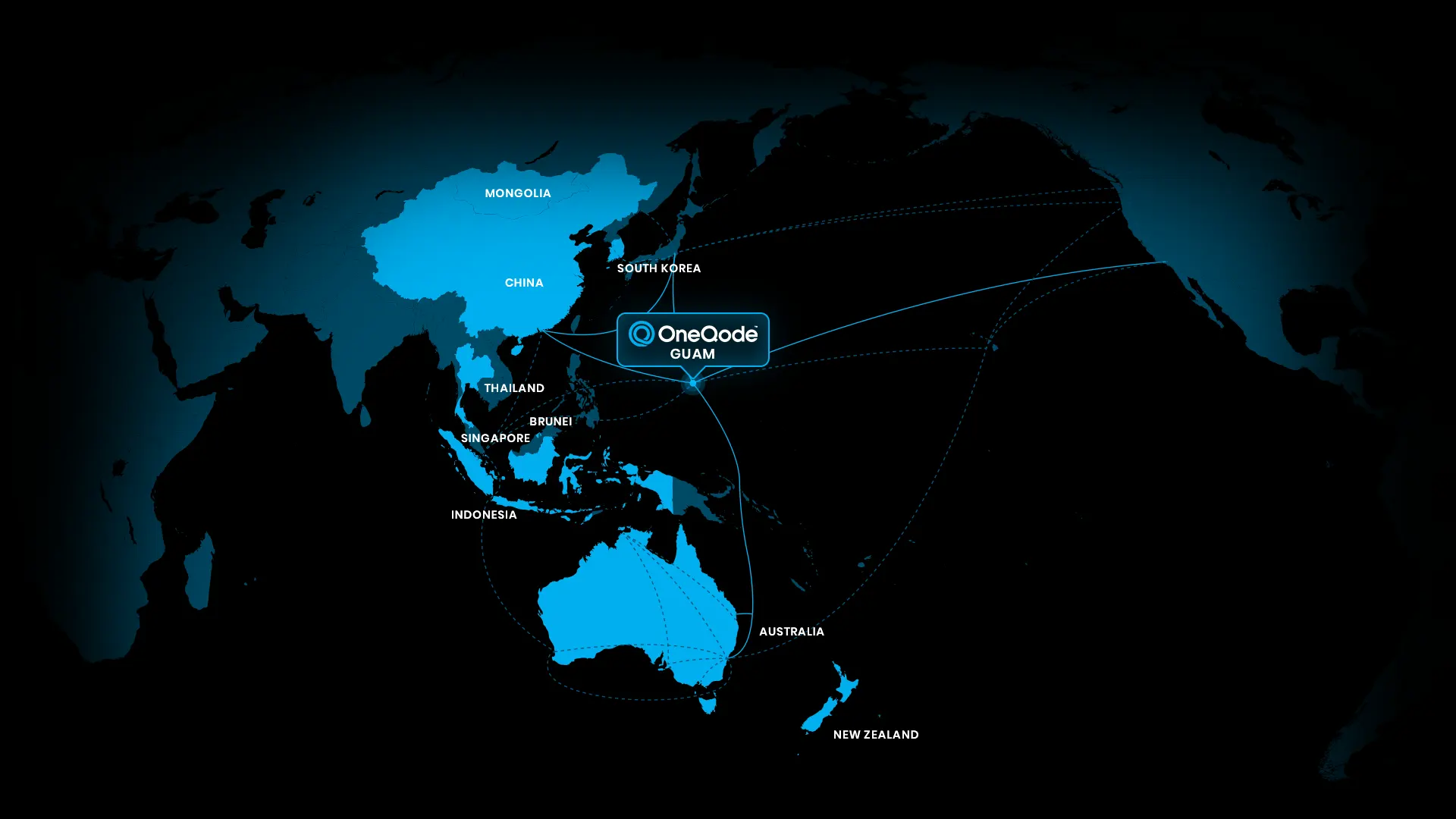
OneQode provided the infrastructure backbone for the first genuinely cross-regional Asia-Pacific CS:GO tournament. For the first time in history, gamers from as far afield as Mongolia and Australia were able to compete online with under 100 milliseconds of latency thanks to our unique Guam gaming hub, APAC Central.
USD prize pool
players
teams
countries
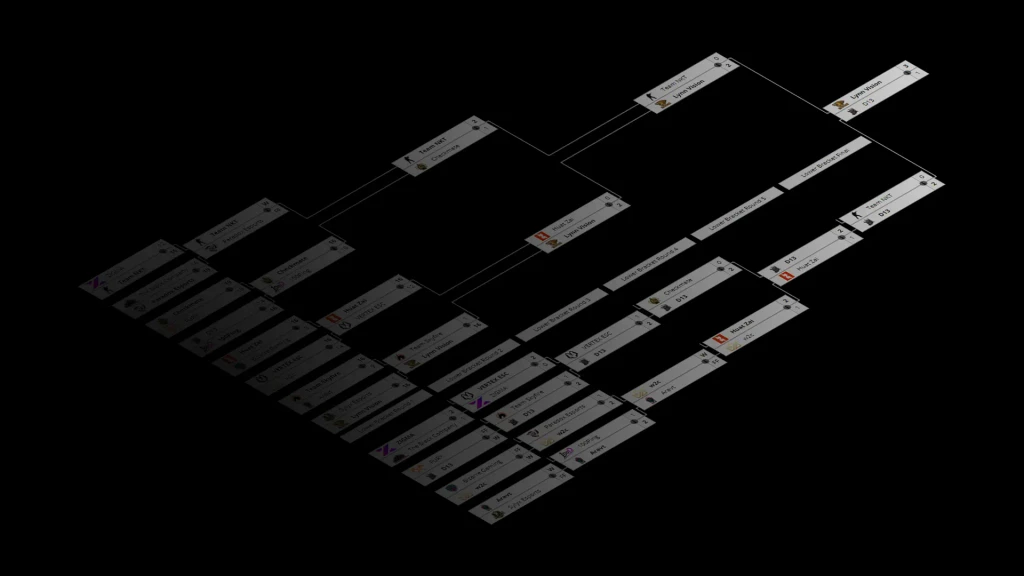
In partnership with Oceanic Esports, an Australian tournament organiser with a history in competitive DOTA, we hosted a CS:GO tournament over 5 days.
As the first test of our APAC Central hub, we worked around the clock to collect data, optimizing the network and server in real time.
The world's most latency-sensitive game
With over 20 years of competitive history, CS:GO has an undeniable performance thirst
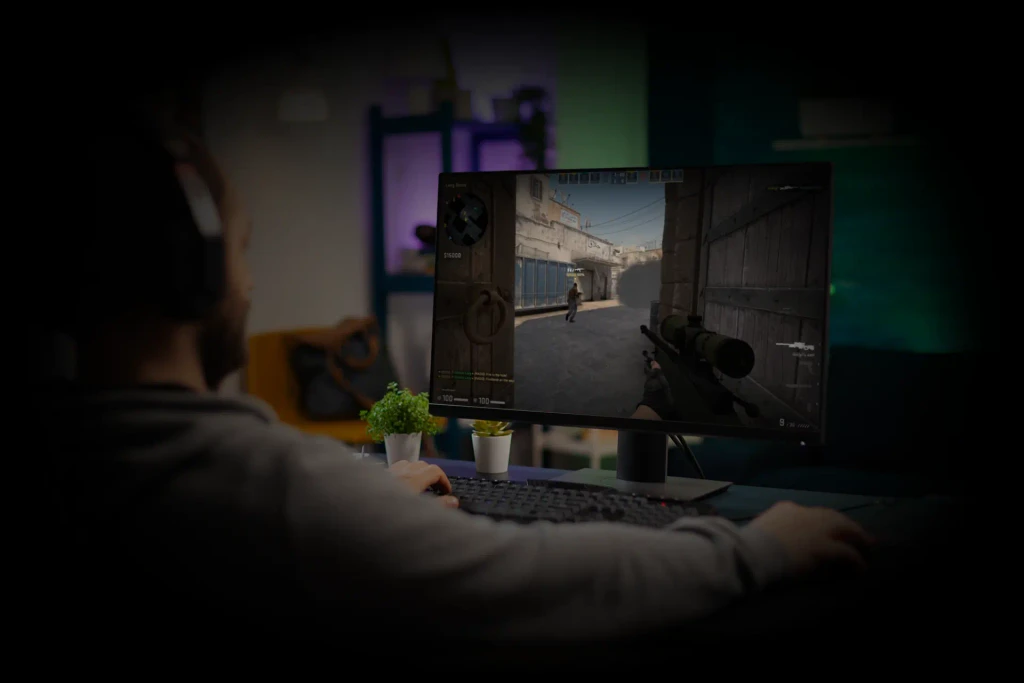
For Counter-Strike: Global Offensive (CS:GO) players, latency is everything.
Each year, millions of dollars are at stake in competitive CS:GO, and, as a skill-based shooter, split-second delays can make the difference between victory and defeat.
Nightmare regional internet routing
22 ISPs sent players' traffic along the most scenic routes imaginable
Internet providers are the biggest roadblock for smooth performance. We worked in real time at the carrier level to optimize routing and reduce ping spikes.
One Mongolian player's provider was sending traffic to Guam via Los Angeles — so we worked at the provider level to optimize their routes to our Guam hub, cutting latency by 74% — down from 348ms to 89ms.
Player routing before and after traffic engineering
A DDoS-attracting $17,000 prize pool
Competitive esports bring attention, and Denial of Service attacks
Unbeknownst to players, over the course of 5 days, our DDoS protection systems mitigated 856 separate attacks.
OneQode DDoS scrubbing and filtering hardware across our network mitigated what would normally be a game-ending attack — allowing games to continue undeterred.
The outcome
Bringing Asia-Pacific closer together through gaming
A unique server location to unlock regional gameplay
In spite of the distance, APAC Central crossed borders and barriers to connect gamers from Asia and Oceania, allowing players to find new rivals overseas, developing skills and learning new strategies from opponents.
For game developers there's a simple takeaway: you can connect more players from more countries via a single location — and if it works for Counter-Strike, it can work for your game, too.
Low latency experience
Players from Mongolia and Australia could all reach the APAC Central servers at less than 100ms of latency, with numbers continuing to drop with time.
Supported in real-time
We worked in real time at the carrier level to apply traffic management, optimising routing and reducing ping spikes for players.
Safe from attack
Network level DDoS scrubbing and filtering protects servers from disruptive attacks, without kicking existing players from games.


Accelerate your infrastructure
Reach out to our team to discuss your ambitions